Woodworking has a timeless appeal that continues to attract beginners, hobbyists, and experienced builders alike. There is something deeply satisfying about turning raw lumber into a finished piece that is both useful and beautiful. Whether the goal is to build a simple birdhouse, a durable outdoor bench, a storage cabinet, or a custom piece of furniture, woodworking offers a rare mix of creativity, craftsmanship, and practical value.
Click here for official Ted’s Woodworking
For anyone looking to get started or expand their skills, Ted’s Woodworking stands out as a major resource. Built around a massive collection of plans, guides, and project ideas, it is designed to help woodworkers of all skill levels move from inspiration to execution with greater confidence. The promise of 16,000 woodworking projects is especially appealing because it suggests variety, flexibility, and a project for nearly every need, taste, and experience level.
This article takes a closer look at DIY wood projects in general and explains why Ted’s Woodworking has become such an attractive option for people who want to build smarter, faster, and with more direction. Whether someone is furnishing a home workshop, looking for weekend projects, or hoping to create products to sell, the right plan library can make a significant difference.
Why DIY Wood Projects Remain So Popular
DIY wood projects continue to grow in popularity for several reasons. First, woodworking is a skill that offers both creative satisfaction and practical results. Unlike many hobbies that end with a finished object that sits on a shelf, woodworking often produces items that are genuinely useful in everyday life. Tables, shelves, storage boxes, beds, planters, pergolas, desks, toys, and decorative pieces all come from the same core skill set.
Second, woodworking can be scaled to almost any budget. A person can start with a few basic hand tools and simple materials, or invest in more advanced equipment over time. That flexibility makes woodworking accessible to beginners while still rewarding for experienced builders. It is a hobby that grows with the person.
Third, DIY woodworking offers a sense of independence. Instead of buying mass-produced furniture or décor, people can design and build pieces that fit their exact space, style, and purpose. This is especially useful for homeowners, apartment dwellers, and anyone who wants custom solutions for storage or decoration.
Finally, woodworking can be highly therapeutic. Measuring, cutting, sanding, and assembling require focus and patience. Many people find that time in the workshop provides a welcome break from screens and daily stress. The process itself becomes part of the reward.
What Makes Ted’s Woodworking Stand Out
Ted’s Woodworking is appealing because it reduces one of the biggest barriers in woodworking: not knowing where to begin. Many people have the motivation to build, but they struggle with design, measurements, material selection, or assembly order. A large, organized plan library solves that problem by giving users a clear path from idea to finished project.
The most notable feature is the sheer size of the collection. With 16,000 woodworking projects, Ted’s Woodworking offers a wide range of options for different skill levels and project types. That kind of variety matters because woodworking is not one-size-fits-all. A complete beginner may want to start with a small project like a bird feeder or step stool, while a more advanced builder might prefer a cabinet, a dining table, or a backyard structure. A broad plan library makes it easier to choose projects that match current ability and available tools.
Another strength is convenience. Instead of spending hours searching for reliable plans across blogs, forums, and random videos, users can access a structured collection in one place. This saves time and reduces the guesswork that often leads to mistakes. For many woodworkers, especially beginners, having a clear plan is the difference between finishing a project successfully and abandoning it halfway through.
Ted’s Woodworking also appeals to people who value inspiration as much as instruction. Sometimes the hardest part of any project is deciding what to build. A large plan library helps solve that by opening the door to new ideas. Someone who only intended to make a shelf may discover a better storage system, a decorative wall unit, or a matching set of furniture pieces.
A Resource for Beginners and Experienced Builders
One of the most important advantages of a big woodworking plan collection is that it supports multiple skill levels.
For beginners, woodworking can feel intimidating. Terms like joinery, bevel, dado, and grain direction may sound unfamiliar at first. Good plans help reduce that anxiety by providing step-by-step direction. A beginner can learn basic techniques while building something useful, which is one of the best ways to develop confidence. The project becomes both a learning experience and a finished product.
For intermediate users, Ted’s Woodworking can serve as a way to sharpen skills and try more ambitious builds. Once the basics are mastered, the next step is often taking on projects that require better precision, more planning, or new techniques. Having access to thousands of plans makes it easier to continue progressing without constantly reinventing the wheel.
For experienced woodworkers, a large library is useful because it saves time and expands project possibilities. Even advanced builders do not always want to start from scratch. Sometimes they want a proven plan they can customize, improve, or use as a foundation for client work, gifts, or resale pieces. A deep plan collection becomes not just a learning tool, but a productivity tool.
Types of Projects Woodworkers Usually Look For
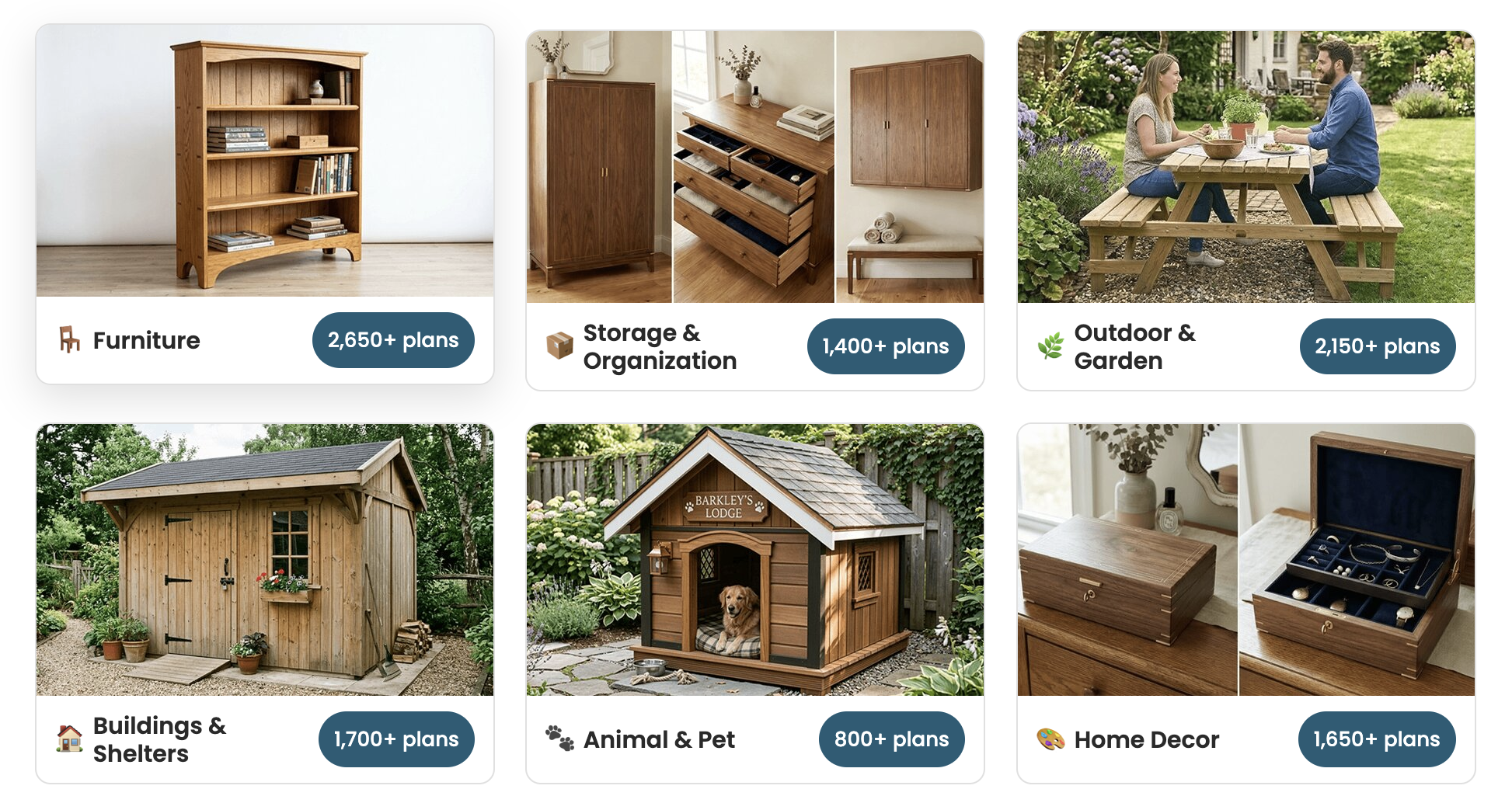
A resource like Ted’s Woodworking is valuable partly because woodworking needs vary so widely. Some people want small weekend builds, while others want large furniture projects. A strong project library typically appeals across categories such as:
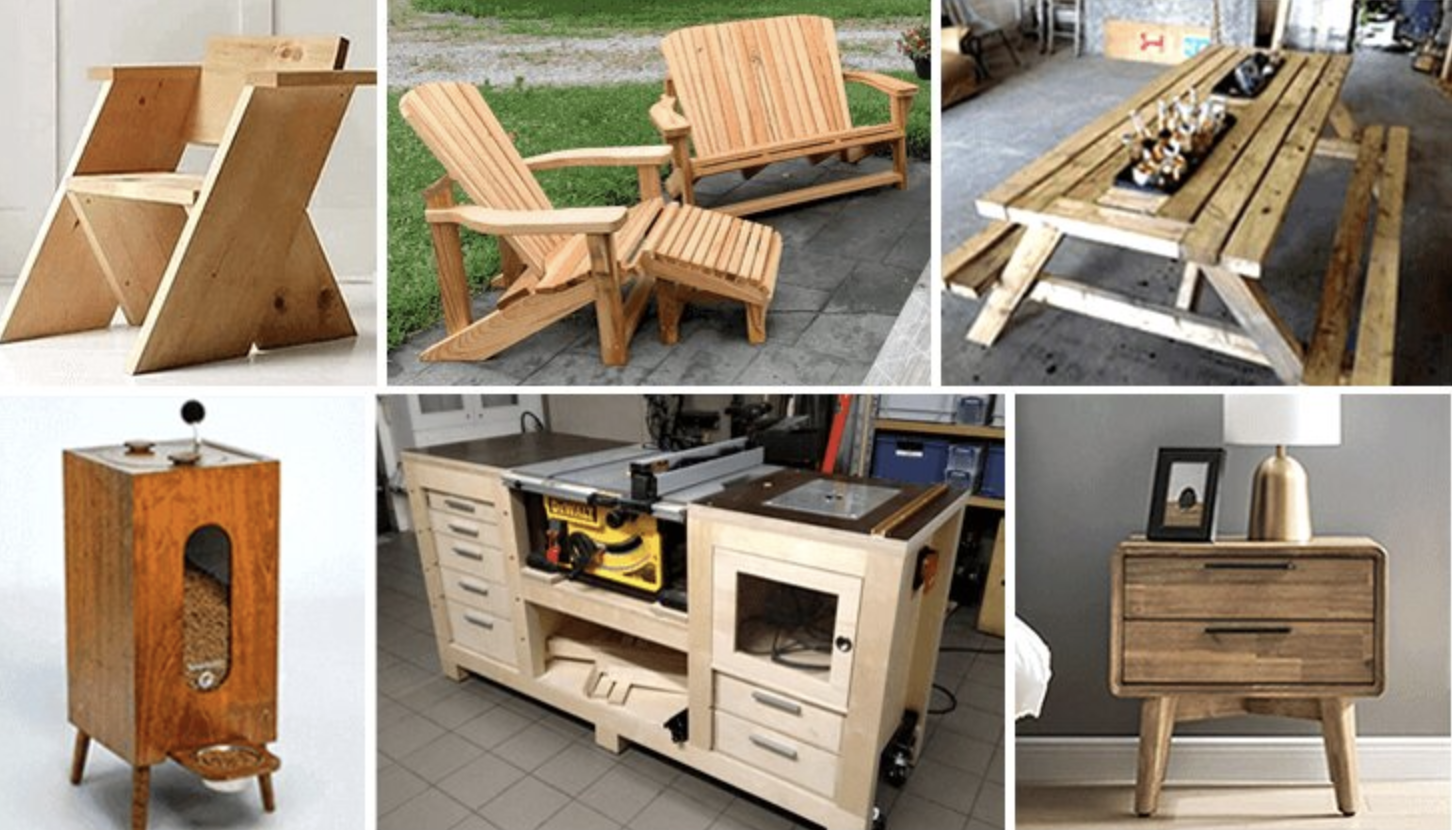
Home furniture: chairs, tables, cabinets, beds, shelving, desks, and storage units.
Outdoor projects: benches, picnic tables, planters, sheds, pergolas, decks, and garden structures.
Decorative projects: wall art, signs, frames, accent pieces, and display stands.
Functional small projects: boxes, organizers, racks, holders, stools, and tool storage.
Children’s projects: toy boxes, play structures, learning furniture, and simple handmade toys.
Workshop projects: tool cabinets, workbenches, clamps, carts, and storage solutions.
This variety matters because it reflects real life. Woodworkers are not just trying to make attractive objects; they are often trying to solve problems. A project library that includes both decorative and functional builds gives users more ways to apply their skills.
The Value of Clear Plans
One of the most frustrating parts of a DIY project is uncertainty. Without a good plan, it is easy to make mistakes in sizing, joinery, or material selection. That can lead to wasted lumber, wasted money, and wasted time.
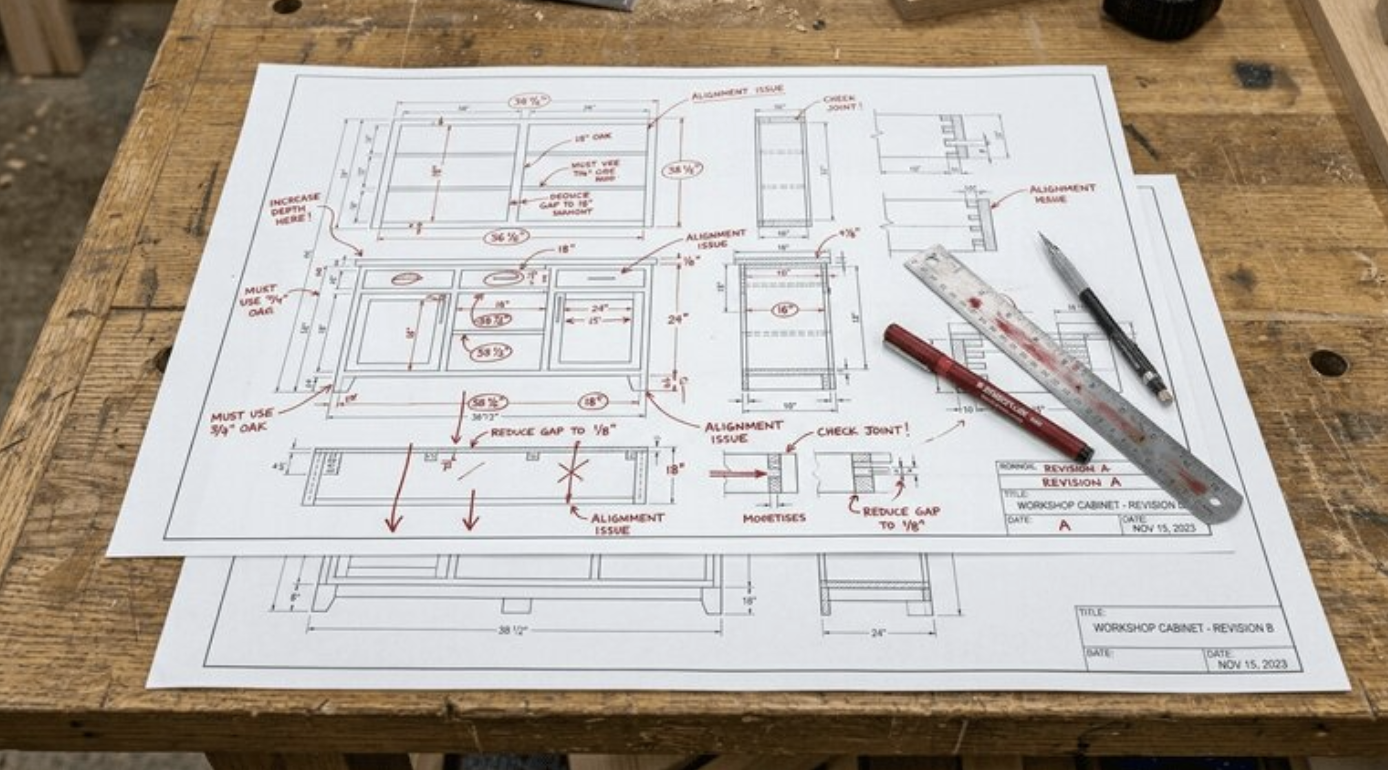
Clear woodworking plans help prevent those problems by offering structure. They give builders a roadmap that includes measurements, materials, and the sequence of steps needed to complete the project. For many people, this is the most valuable part of Ted’s Woodworking. The plans make complex work feel manageable.
A well-designed plan also helps reduce hesitation. Instead of wondering whether a project is “too hard,” the builder can see what is involved and decide whether it fits their current ability. That kind of clarity supports better decisions and smoother progress.
Another benefit of detailed plans is consistency. If a person wants to build more than one of the same item, good instructions make it possible to repeat the process accurately. This is especially useful for anyone making items to sell, give as gifts, or use in a home improvement setting.
Why a Large Library Matters for Creativity
Some people think a large collection of woodworking plans limits creativity, but the opposite is often true. A wide variety of plans can actually encourage more original work.
First, having many examples helps people understand what is possible. They begin to notice different forms, proportions, joints, and finishing styles. Over time, that exposure builds design intuition. A beginner may start by following a plan exactly, but eventually they begin adapting dimensions, changing materials, or combining ideas from multiple projects.
Second, a large project library gives users the freedom to experiment without starting from zero. A woodworker might use one plan as the base for a custom entertainment center, another as the inspiration for a garden bench, and another as the framework for a storage solution. In this sense, the plans become a creative toolkit rather than a rigid rulebook.
Third, creativity is often easier when the technical side is handled well. When a project comes with structure and guidance, the builder can focus more on style, finish, and customization. That is where personal expression often shines most.
A Smart Option for Homeowners, Hobbyists, and Sellers
Ted’s Woodworking is especially appealing to three kinds of people.
Homeowners appreciate practical projects that improve their living space. Custom shelves, storage solutions, outdoor furniture, and décor pieces can all add value and personality to a home. Instead of buying generic items that do not fit quite right, homeowners can build pieces tailored to their needs.
Hobbyists often enjoy the process itself. For them, woodworking is not only about the final product but also about the satisfaction of making something by hand. A big project library keeps the hobby fresh by offering variety and new challenges.
People who sell handmade items may also find a strong plan collection useful. When time matters, having reliable plans can help streamline production and improve consistency. That can be especially helpful for craft fairs, online shops, or local custom orders.
How to Get the Most from a Woodworking Plan Library
A large collection only becomes truly useful when it is approached with a clear strategy. The best results usually come from choosing projects that match current tools, budget, and experience level.
Start with smaller, manageable builds if the workshop is still developing. This helps build confidence and reduces the risk of mistakes. Simple projects also provide a chance to practice measuring, cutting, joining, and finishing before moving to larger builds.
Read the plan fully before buying materials. This may sound obvious, but many project mistakes happen because people begin cutting before understanding the full scope of the work. Reviewing the plan first helps identify tool requirements, lumber needs, and potential challenges.
Choose projects that solve a real need. A beautiful build is satisfying, but a beautiful build that also improves a room, organizes a garage, or adds outdoor comfort is even better. Practical projects often provide the best long-term value.
Keep notes during the build. Even with a good plan, every workshop has its own tools, habits, and preferences. Notes make it easier to repeat successful projects or improve future ones.
The Appeal of Building Something Real
At the heart of woodworking is a simple truth: people like making things that last. In a world full of disposable products, handmade wood projects stand out because they feel solid, intentional, and personal. That is part of what makes a resource like Ted’s Woodworking so attractive. It gives people the chance to create furniture, décor, storage, and specialty pieces that are both functional and meaningful.
There is also pride in knowing that a project was built from the ground up. Every cut, screw, joint, and finish contributes to something tangible. The finished item carries a story with it. It reflects the builder’s time, effort, and care. That emotional value is difficult to match with store-bought alternatives.
DIY wood projects
DIY wood projects continue to inspire people because they combine creativity, usefulness, and craftsmanship in a way few hobbies can. For beginners, woodworking offers a path into hands-on building. For experienced makers, it offers endless opportunities to refine skill and produce high-quality pieces. For homeowners and sellers, it provides practical solutions with real value.
Ted’s Woodworking, with its huge collection of 16,000 woodworking projects, is positioned as a powerful resource for anyone who wants more structure, variety, and inspiration. Its strength lies in making woodworking more accessible and more organized. Instead of searching endlessly for the right idea, users can explore a large library of plans and choose projects that fit their goals.
In the end, the best woodworking resource is one that helps turn ideas into finished work. That is where Ted’s Woodworking can be especially valuable. It offers the scale, direction, and variety that many DIY builders are looking for, whether they are starting their first project or planning their next major build.
Woodworking is more than a hobby. It is a skill, a creative outlet, and a practical craft. With the right plans and the right mindset, even a simple piece of wood can become something impressive, useful, and lasting. Ted’s Woodworking aims to make that process easier, more enjoyable, and far more inspiring.
Leave a Reply