Starting a woodworking business can be one of the most rewarding ways to turn craftsmanship into income. If you enjoy building with your hands, solving practical problems, and creating pieces people actually want to buy, woodworking offers a business path with strong long-term potential. From custom furniture and home décor to cabinets, shelves, signs, and repair work, there are many ways to build a profitable business around woodworking.
The best part is that you do not need to launch with a massive workshop or a huge budget. Many successful woodworking businesses begin in a garage, small shop, or even a single corner of a home workspace. What matters most is not the size of your equipment, but the clarity of your niche, the quality of your work, and your ability to market what you make.
In this guide, you will learn how to start a woodworking business step by step, what to sell, how to price your work, how to find customers, and how to grow from a side hustle into a serious brand.
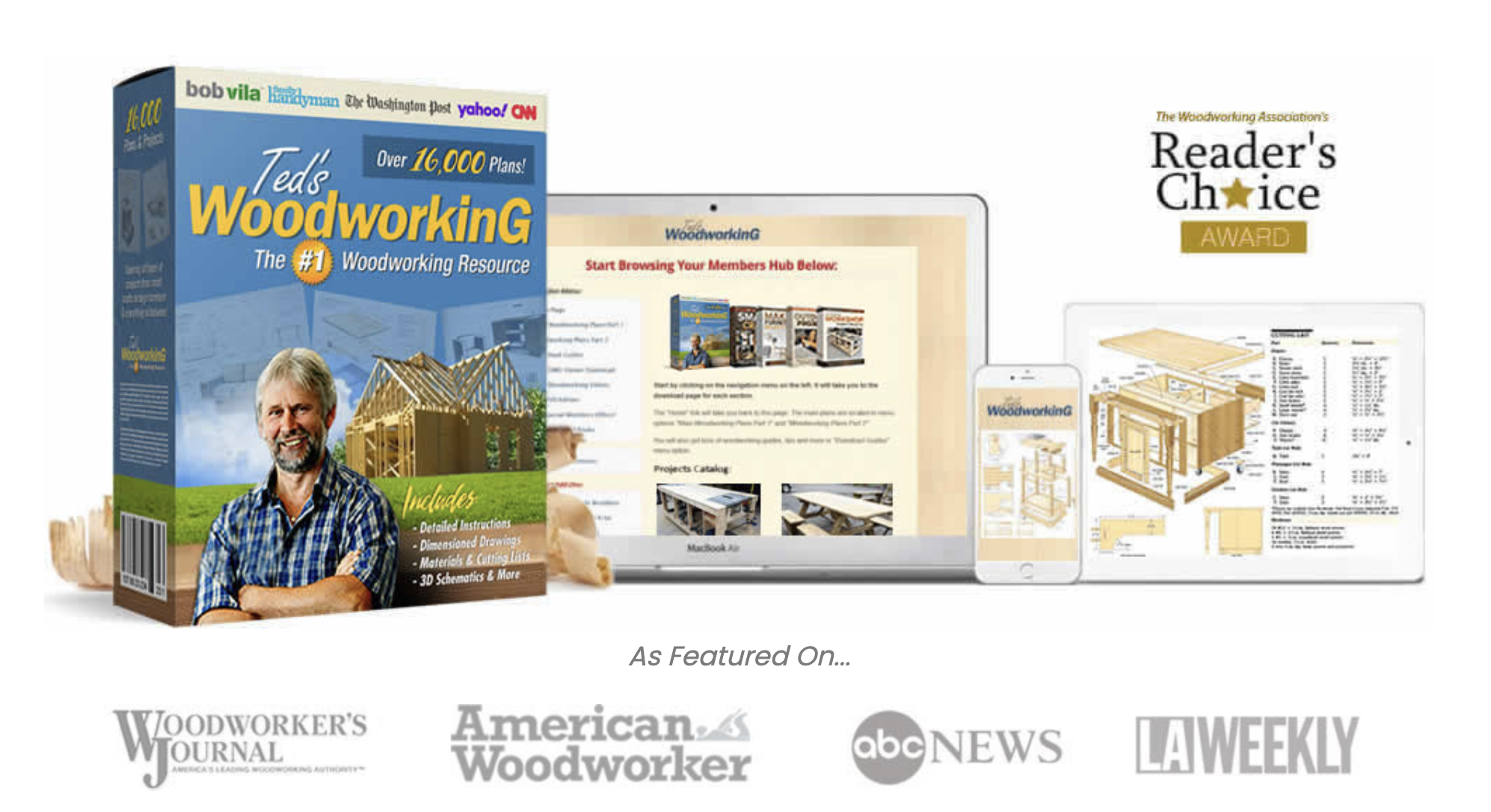
Ted’s Woodworking is a smart choice for anyone who wants to save time, avoid guesswork, and start building with confidence. Instead of spending hours searching for plans or trying to figure everything out from scratch, this set gives you a clear, organized path to follow with projects that can suit different skill levels and goals. Whether someone wants to build furniture, decorative pieces, storage solutions, or practical home projects, Ted’s Woodworking can help make the process smoother, faster, and more enjoyable. For beginners, it offers guidance and structure; for experienced woodworkers, it provides a convenient source of fresh ideas and ready-to-use plans.
Why Start a Woodworking Business?
Woodworking is appealing because it combines creativity, practicality, and business opportunity. Unlike many industries that depend heavily on trends, quality woodwork has lasting value. People always need furniture, storage, decorative pieces, and custom solutions for their homes and businesses.
A woodworking business also gives you flexibility. You can start small, work part-time, sell locally, or build an online brand that reaches customers far beyond your area. Over time, you can specialize in high-end custom work, develop repeat clients, or create products that can be produced in batches for better profit margins.
What Makes Woodworking a Good Business Model
Woodworking works well as a business because it offers:
1. High perceived value
Handmade wood products often sell for much more than the raw materials used to create them. Customers are not just paying for wood; they are paying for craftsmanship, design, customization, and durability.
2. Flexible product range
You can create small items like cutting boards and wall signs, or larger pieces like tables, cabinets, and built-ins. This flexibility allows you to adapt to your skills, budget, and available space.
3. Local and online sales opportunities
You can sell through local craft fairs, social media, marketplaces, your own website, or direct to customers. Many woodworkers use a combination of channels to generate steady income.
4. Strong demand for customization
People love personalized, one-of-a-kind products. Custom dimensions, names, finishes, and styles can set your work apart from mass-produced furniture.
Step 1: Choose Your Woodworking Niche
One of the biggest mistakes new business owners make is trying to sell everything at once. A better approach is to focus on a specific niche. This helps you build skill faster, improve efficiency, and attract the right customers.
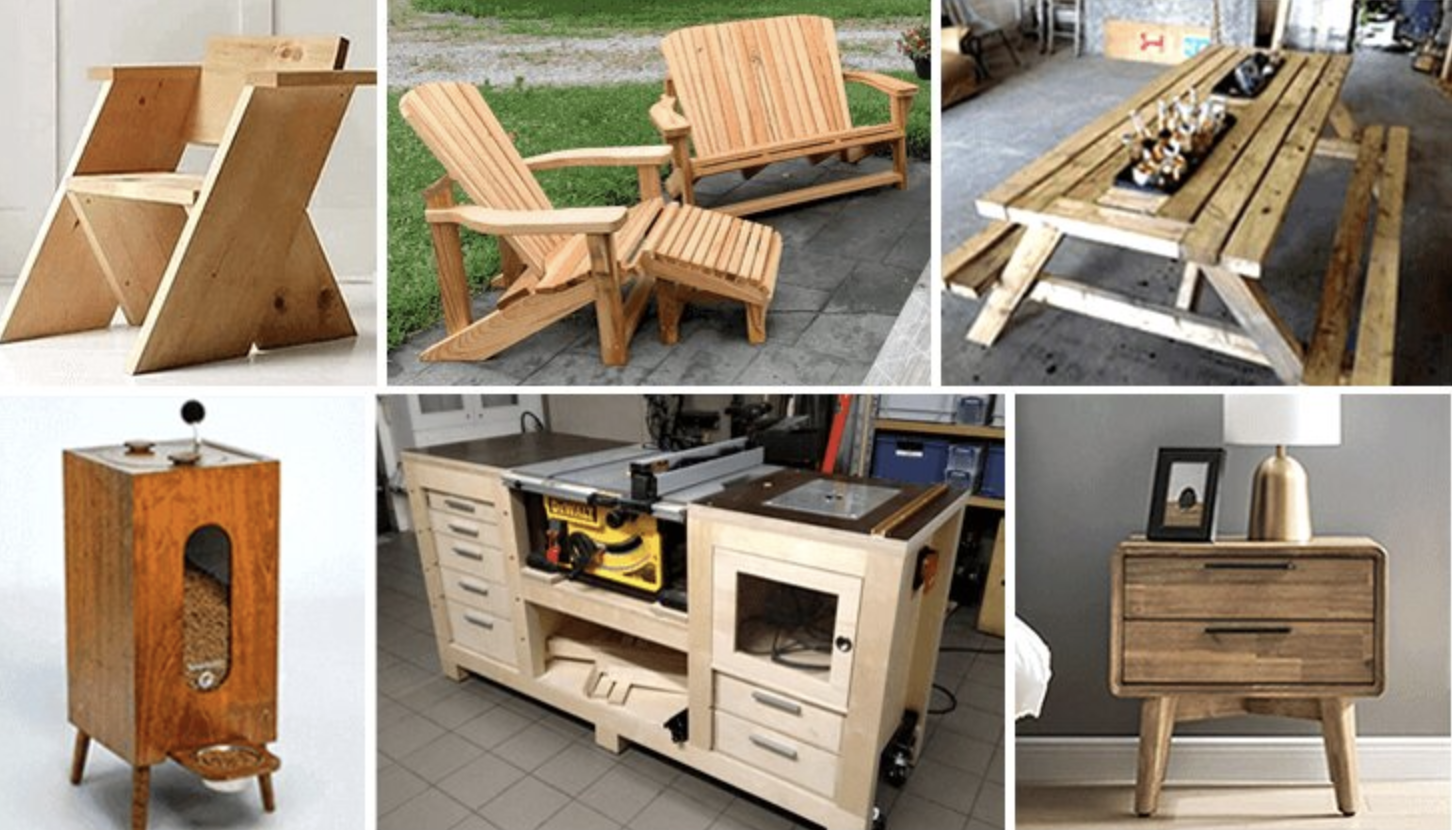
Popular Woodworking Business Ideas
Custom Furniture
Tables, desks, coffee tables, benches, bookcases, and nightstands are always in demand. Custom furniture often brings in higher profit because customers value size, style, and finish options.
Home Décor
Signs, wall art, shelves, candle holders, coat racks, and rustic decorations are easier to produce and often appeal to impulse buyers.
Kitchen and Dining Products
Cutting boards, serving trays, spice racks, wine holders, and bread boxes are popular because they are useful, giftable, and relatively small.
Cabinetry and Built-Ins
If you have advanced skills, cabinetry can be a strong niche. Kitchens, closets, bathroom vanities, and built-in shelving often require custom work and can command higher prices.
Children’s Products
Toy boxes, step stools, rocking toys, and learning towers are attractive niches, but they require extra attention to safety and finishing materials.
Outdoor Projects
Planters, garden benches, porch décor, and outdoor storage solutions are useful and seasonally popular.
How to Pick the Right Niche
Choose a niche based on three things: what you enjoy making, what you can produce well, and what people are willing to buy. A profitable woodworking business usually sits at the intersection of those three.
If you are just getting started, it is often smart to choose products that are:
- Easy to build repeatedly
- Affordable to make
- Simple to ship or deliver
- Attractive to a clear target audience
Step 2: Build the Skills You Need
You do not need to be a master carpenter before starting a woodworking business, but you do need a solid foundation. Customers will judge your business by the fit, finish, and consistency of your work.
Essential Skills for a Woodworking Business
Measuring and Cutting Accurately
Precision matters in woodworking. Even small mistakes can affect the quality of the final product, so strong measuring habits are essential.
Joinery
Understanding how pieces connect is key to making durable work. Common joinery techniques include pocket holes, dowels, biscuits, mortise and tenon joints, and basic glue-and-screw construction.
Sanding and Finishing
A smooth surface and professional finish can dramatically increase the value of a piece. Good sanding and finishing skills separate amateur work from business-quality products.
Design and Planning
Before you build, you need to know dimensions, material use, and construction method. Good planning reduces waste and improves profitability.
Problem Solving
Wood moves, tools fail, and materials are not always perfect. A successful woodworker learns to adapt and solve problems without losing quality.
Practice Before You Sell
Start by building a few sample pieces for practice. These can become your portfolio, gift items, or even your first products for sale. The goal is to get comfortable with your tools and develop a repeatable process before accepting customer orders.
Step 3: Set Up Your Workshop
You do not need a large commercial space to begin. Many woodworking businesses start in a garage, shed, basement, or small rented workshop.
Basic Workshop Essentials
Core Tools
The exact tools you need depend on your niche, but many new woodworking businesses begin with:
- A table saw or circular saw
- A miter saw
- A drill/driver
- A router
- Clamps
- Measuring tools
- Sanding tools
- A workbench
- Dust collection or at least dust control equipment
Safety Equipment
Woodworking should always be approached with safety in mind. Invest in eye protection, hearing protection, a good dust mask or respirator, and proper ventilation.
Storage and Organization
A clean, organized workspace improves speed and accuracy. Tool storage, material racks, and labeled hardware bins may seem simple, but they make a big difference in daily workflow.
Start Small and Upgrade Over Time
It is easy to overbuy tools before you have customers. A smarter approach is to begin with the tools needed for your chosen niche, then upgrade as demand grows. The goal is to make money first, then expand your setup strategically.
Step 4: Create Products That Sell
A woodworking business becomes profitable when you create products people actually want to buy. The most successful items usually solve a problem, improve a space, or make a great gift.
What Sells Well in Woodworking
Practical Items
Shelves, storage boxes, tables, racks, and organizers are often easier to sell because they serve a real purpose.
Giftable Products
Cutting boards, signs, serving trays, and small home décor pieces make excellent gifts, especially around holidays and special occasions.
Custom Work
Personalized items often carry a higher price because they are tailored to the customer. Names, dates, dimensions, and specific finishes add value.
Matching Sets
Product bundles can increase order value. For example, a cutting board set, desk accessories, or matching bedroom pieces can boost sales.
Use Simple, Repeatable Designs
At first, avoid overly complex products that take too long to build. A good business product should be attractive, durable, and efficient to produce. That balance is what makes a product profitable.
Step 5: Price Your Woodworking Products Correctly
Pricing is one of the hardest parts of starting a woodworking business. Many beginners undercharge because they only think about material costs. But your price should cover materials, labor, overhead, tool wear, packaging, and profit.
A Simple Pricing Formula
A common approach is:
Material Cost + Labor Cost + Overhead + Profit Margin = Final Price
For example, if a project costs money in lumber, hardware, sandpaper, finish, electricity, and several hours of work, all of that should be reflected in the final price.
Do Not Undervalue Your Time
Your time is part of the product. If a project takes six hours to make, that time should be priced properly. Otherwise, you may end up busy but not profitable.
Research the Market
Check what similar products sell for in your area and online. This helps you position your work competitively without racing to the bottom on price.
Step 6: Build a Brand Around Your Business
People do not just buy wood products. They buy quality, style, trust, and story. Branding helps your woodworking business look professional and memorable.
What Makes a Strong Woodworking Brand
A Clear Style
Your products should have a recognizable look. Whether your style is rustic, modern, farmhouse, minimalist, or custom luxury, consistency helps customers remember you.
A Professional Name
Choose a business name that is easy to spell, easy to remember, and relevant to your work.
Good Photos
High-quality photos matter a lot. Customers need to see the grain, finish, scale, and details of your work. Natural light and clean backgrounds usually work best.
A Simple Message
Your brand should clearly communicate what you make and why it matters. Customers should understand your value within seconds.
Step 7: Find Your First Customers
Getting your first sales is often the biggest challenge, but there are many practical ways to do it.
Where to Start Selling
Local Markets and Craft Fairs
These are excellent for exposure because people can see and touch your work in person.
Social Media
Platforms like Instagram, Facebook, TikTok, and Pinterest are strong for visual products. Short build videos, before-and-after shots, and finished product photos can attract attention.
Word of Mouth
Tell friends, family, neighbors, and local contacts what you make. Many woodworking businesses get their first jobs through referrals.
Online Marketplaces
Selling online gives you access to a larger audience. Product listings, strong photos, and clear descriptions can bring in buyers from outside your area.
Direct Outreach
Local interior designers, real estate agents, contractors, coffee shops, restaurants, and office managers may need custom woodwork. A professional message and a few sample photos can open doors.
Create a Small Portfolio
Before launching fully, create a small collection of finished pieces that show your range and quality. A portfolio builds confidence and makes it easier for customers to trust your work.
Step 8: Handle Orders Professionally
As soon as people start paying you, your woodworking hobby becomes a business. That means good communication and clear processes matter.
Best Practices for Customer Orders
Use Written Quotes
Always confirm dimensions, materials, finish, lead time, price, and payment terms in writing.
Ask for Deposits
A deposit protects your time and materials, especially on custom orders.
Set Realistic Timelines
Do not overpromise. It is better to deliver early than to disappoint a customer.
Keep Customers Updated
For custom work, simple progress updates build trust and reduce stress.
Avoid Scope Creep
A common problem in custom work is customers asking for extra changes after the quote is approved. Be polite but clear about what is included and what will require additional payment.
Step 9: Make Your Business Legal and Organized
Even a small woodworking business should be treated seriously. Setting up the right structure early can save time and trouble later.
Business Basics to Consider
Register Your Business
Depending on where you live, you may need to register a business name or form a legal entity.
Track Income and Expenses
Use simple bookkeeping from the beginning. Knowing your numbers helps you understand which products are profitable.
Understand Taxes
Keep records of sales, materials, shipping, tools, and business-related costs.
Check Local Rules
If you work from home, there may be zoning, noise, or safety requirements to consider.
Insurance Matters
Depending on your scale and customer type, business insurance may be worth exploring. It is especially important if you take custom orders, deliver products, or work with large pieces.
Step 10: Grow Your Woodworking Business
Once you have repeatable sales, the next step is growth. This does not always mean making more products. Sometimes growth means improving margins, raising prices, or focusing on higher-value work.
Ways to Expand
Raise Your Prices
As your reputation and demand grow, your prices should reflect your experience and quality.
Add New Product Lines
You can expand into complementary products that fit your brand and production process.
Improve Efficiency
Better jigs, better workflows, and better storage can help you produce more with less waste.
Offer Premium Custom Work
High-end custom projects often bring better profits than low-cost volume items.
Build an Email List or Website
Owning your audience gives you more control over your business and future sales.
Common Mistakes to Avoid
Many woodworking businesses struggle not because the products are bad, but because the business side is weak.
Mistake 1: Starting Too Broad
Trying to sell too many different things makes it harder to build a clear brand.
Mistake 2: Underpricing
If your prices are too low, your business may stay busy but never become profitable.
Mistake 3: Ignoring Quality Control
Small flaws can damage your reputation. Always inspect your work before delivery.
Mistake 4: Poor Photos
Even great products can struggle to sell if the photos are dark, cluttered, or unclear.
Mistake 5: Buying Too Many Tools
It is tempting to build a shop full of equipment, but tools alone do not make a business successful.
Final Thoughts
Starting a woodworking business is both practical and rewarding. It allows you to use your hands, build something real, and create products people value. The key is to start with a clear niche, create products that are easy to repeat, price them properly, and present your work professionally.
You do not need to launch perfectly. You just need to start with a focused plan, a few strong products, and a willingness to improve with every order. Over time, your skills, reputation, and profits can grow together.
A woodworking business can begin with one board, one tool, and one customer. From there, it becomes a craft, a brand, and eventually a real company.
Leave a Reply